Accessible Experiences
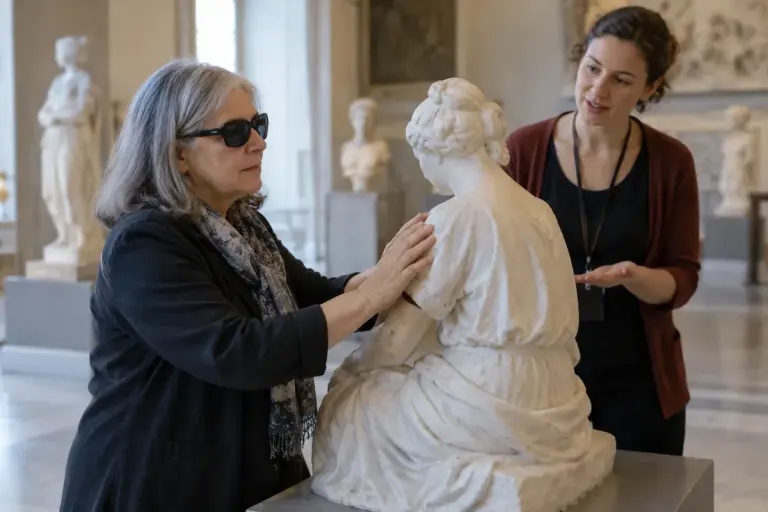
A Touch Tour Needs Permission, Description and Time
Plan a museum touch experience around approved objects, clear descriptions and the visitor’s choices instead of assuming every display may be handled.

Accessible everyday ideas for families and communities.
Plan a museum touch experience around approved objects, clear descriptions and the visitor’s choices instead of assuming every display may be handled.
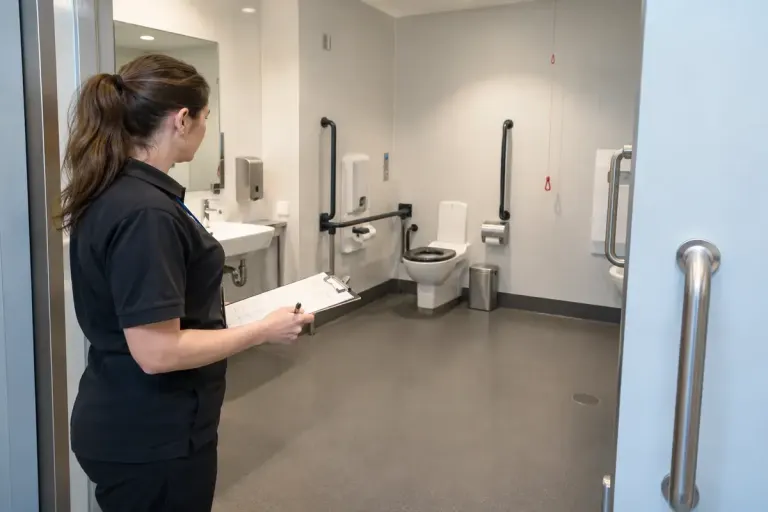
Treat clear floor space in an accessible toilet as part of the facility, with routine checks and a practical response when access is obstructed.
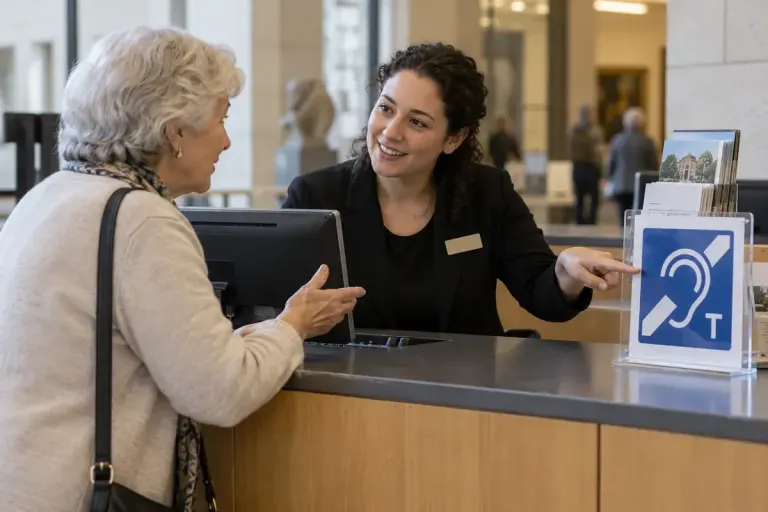
Prepare to use a hearing loop by checking device compatibility, the correct programme and the venue’s working system, with a backup communication option.
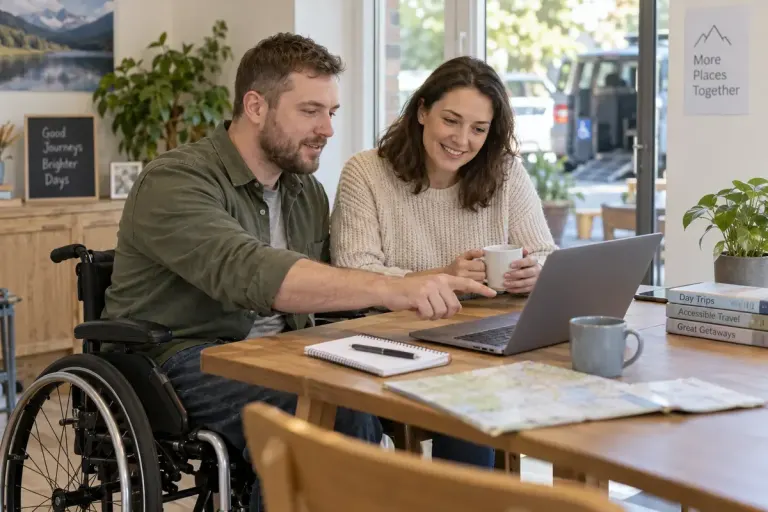
Confirm the return leg, assistance and contact procedure when arranging accessible transport so a successful outward journey is not the whole plan.
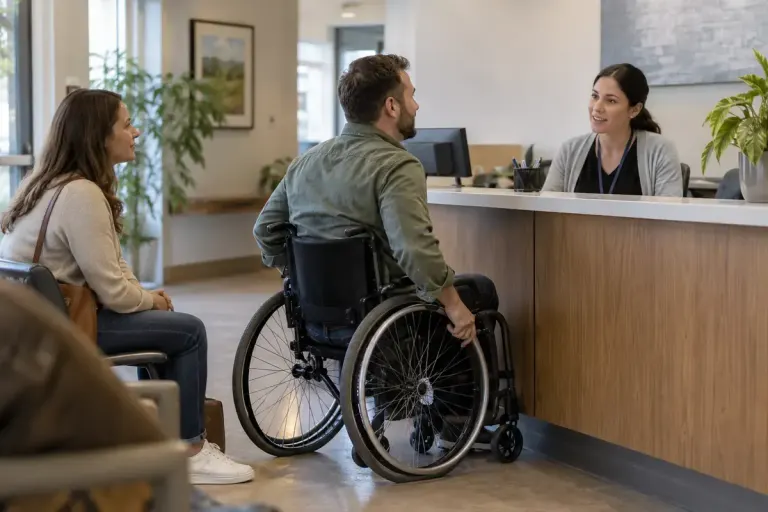
Include the person directly in conversation when a companion or support worker is present, and ask about communication preferences without making assumptions.
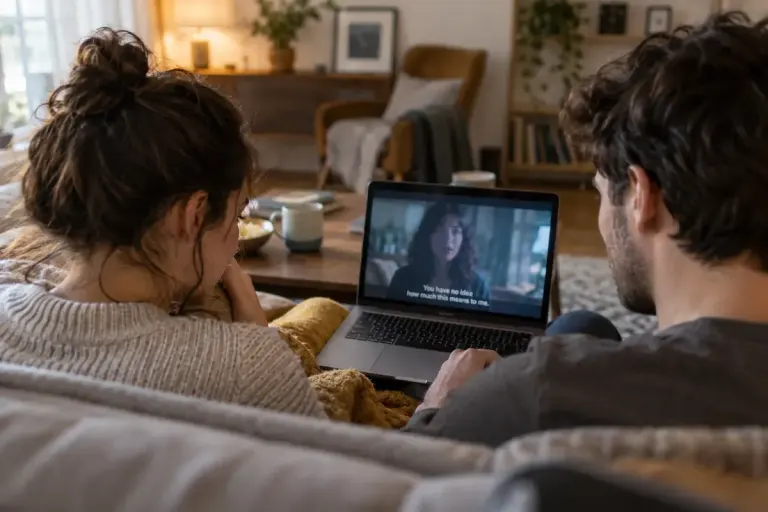
Plan meeting breaks as real pauses, communicate the return time clearly and avoid making important decisions while participants are away.
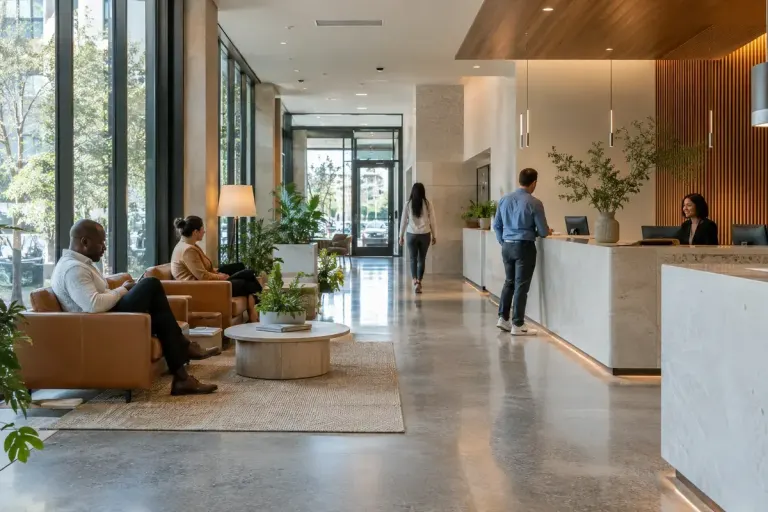
Design event queues with seated options, clear calls and ways to keep a place without requiring a smartphone or a public explanation of disability.
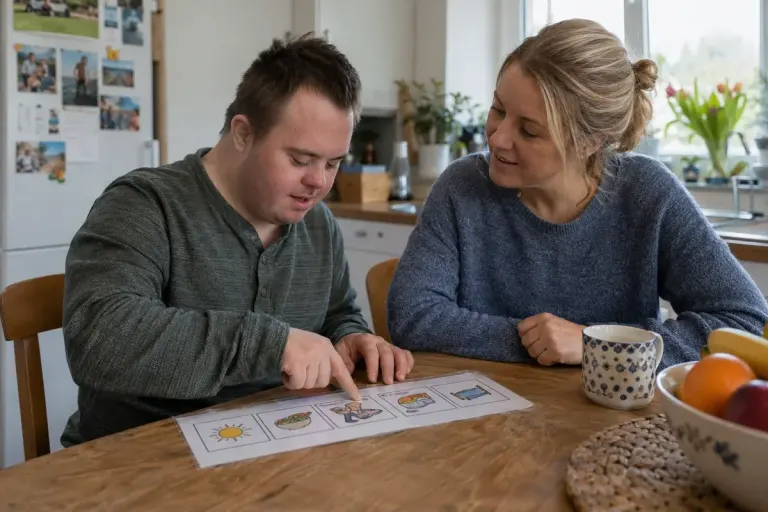
Agree how changes will be communicated and what alternatives the person prefers so a support plan remains useful when an outing or appointment changes.
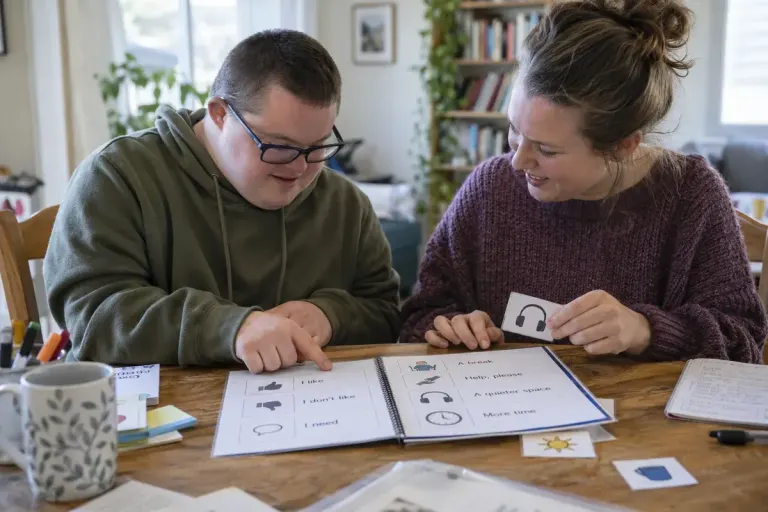
Create a communication passport with the person’s participation, practical preferences and clear ownership over what is shared.